Youth Review: A One-Man Debut That Proves Heart Can Outsell Star Power
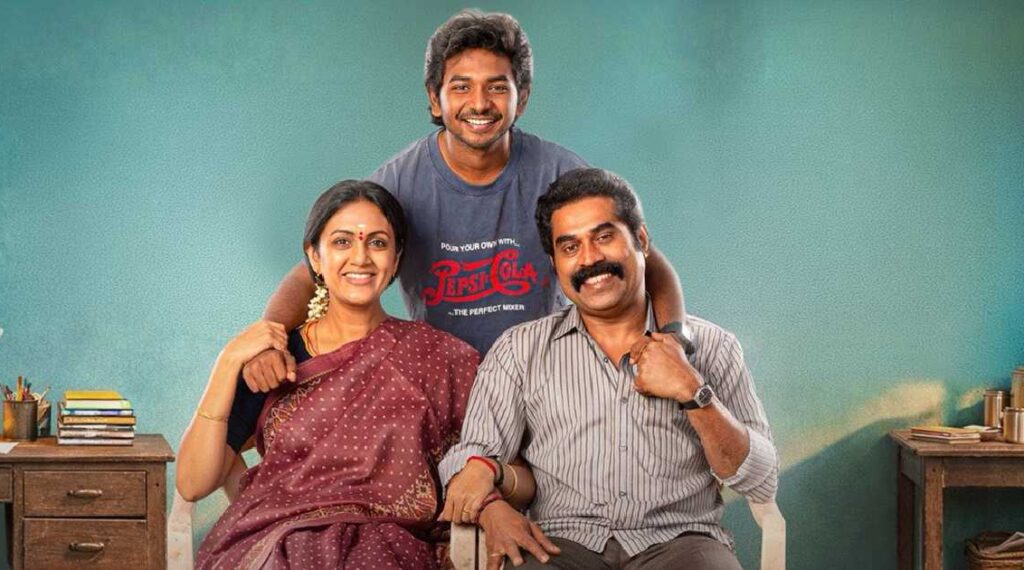
Every so often a film succeeds not because of who is in it, but in spite of who is not. Youth, the coming-of-age comedy that quietly became one of the year’s most profitable Tamil releases, is exactly such a film. It arrived without a single marquee name above the title, without the machinery of a superstar vehicle, and without the safety net that star power provides, and it triumphed anyway. In an industry increasingly preoccupied with larger-than-life action and mythological grandeur, that is no small thing, and it deserves to be celebrated.
What makes the achievement all the more remarkable is the figure at its centre. Youth is the work of Ken Karunas, a twenty-five-year-old who does not merely direct his first feature but writes it, plays its lead, pens lyrics, and lends his voice to its songs. This is, in the truest sense, a one-man show, and the audacity of it is part of the film’s charm. To shoulder so many roles on a debut is to invite disaster; that Karunas emerges not only unscathed but genuinely promising tells you a great deal about the talent on display. There is an irrepressible energy to the enterprise, the sense of a young film-maker pouring everything he has into a single, heartfelt swing.
The story itself is disarmingly simple. Praveen is a carefree teenager who, having scraped through his board examinations, enters adolescence with one overriding ambition: to find the love of his life before his school days end. What follows is a procession of crushes, misadventures, heartbreaks and hard-won lessons, all set against the warm, slightly chaotic backdrop of family life. His relationship with his father is fraught, his mother is his steadfast ally, and it is within this domestic triangle that the film locates its emotional centre of gravity. The premise is modest, but the film mines it with affection and a sharp eye for the small humiliations and triumphs of teenage life.
This is where Youth distinguishes itself from the crowded field of recent Tamil romantic comedies. It is not that the coming-of-age template is new; audiences have travelled this road many times before. It is that Karunas brings to it a specificity and a sincerity that feel personal rather than manufactured. The school milieu is rendered with real authenticity, every detail observed rather than invented, and there is a nostalgic ache running beneath the comedy that lends the film an unexpected resonance. It is a film that remembers what it felt like to be young and foolish and desperate to be loved, and it invites the audience to remember alongside it.
If Karunas is the engine of the film, its emotional pillars are unquestionably Suraj Venjaramoodu and Devadarshini. As Praveen’s parents, they supply the gravity that anchors the lighter material, and when the narrative deepens in its final act, it is their performances that elevate it. Devadarshini, as the doting and endlessly forgiving mother, brings warmth and a quiet ache to a role that could easily have slipped into cliché. Suraj, as the troubled father, charts a difficult arc with restraint and dignity, and the eventual reconciliation between father and son lands with genuine force precisely because these two veterans have done the groundwork. Among the younger cast, Anishma Anilkumar makes a particularly strong impression, modulating her distinctive delivery to carry both the early comedy and the later, more mature emotional beats with surprising assurance.
Technically, the film is buoyed by a lovely score from G. V. Prakash Kumar, whose songs suit the film’s simple, silly, sentimental register perfectly. The decision to weave in a handful of beloved older melodies is a canny one, tapping directly into the nostalgia the film trades in, and the soundtrack does much to sustain the breezy momentum of the first half. Karunas, for his part, possesses exactly the easy charm the loverboy role demands, and crucially, he knows where to stop, pulling back from excess just before the film tips into self-parody.
It would be dishonest to pretend the film is without flaws. The structure is familiar, the beats often predictable, and a viewer of even moderate experience will sense where the story is heading well before it arrives. The first half occasionally pitches its hero a touch too loud, and the film, seen so insistently from Praveen’s point of view, sometimes adopts attitudes towards its female characters that sit uneasily. A tighter edit would have served it well; there is a leaner, sharper film somewhere inside this one. But these are the growing pains of a debut, and they are comfortably outweighed by the film’s evident heart.
The most instructive thing about Youth, however, is not what happens on screen but what happened at the box office. With reported worldwide grosses in the region of seventy to eighty crore, the film became a bona fide blockbuster, a result wildly disproportionate to its modest scale and starless cast. That success is not an accident. It is the clearest possible evidence of a shift in what audiences, particularly younger ones, are willing to turn out for: relatable stories, told sincerely, that reflect their own lives back at them. Karunas understood his audience, and they rewarded him for it.
For a first-time film-maker to wear so many hats and still deliver a commercial triumph of this magnitude is genuinely impressive, and it marks Ken Karunas as a name to watch closely in the years ahead. Youth is not a perfect film, but it is an honest, warm-hearted and quietly significant one, a reminder that in cinema, conviction and connection can accomplish what star power alone cannot.
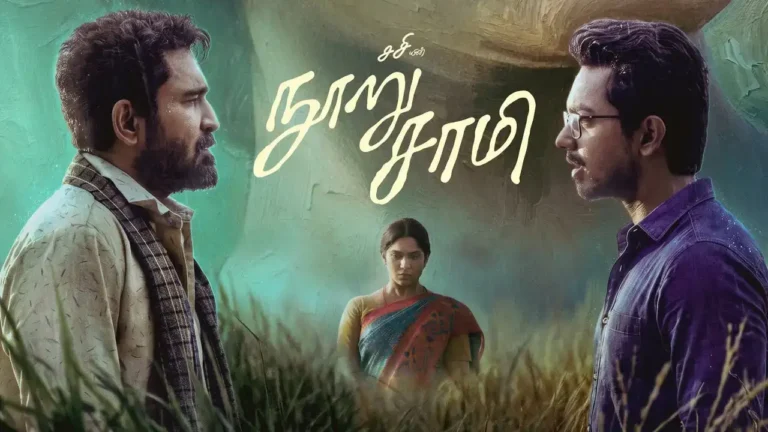
Nooru Saami Review: A Tender, Quietly Defiant Drama Carried by a Luminous Swasika

Parimala and Co Review: A Golden Cast Trapped Inside a Half-Cooked Caper

With Love Review: A Soft, Sincere Tamil Romance With Warmth and Memory
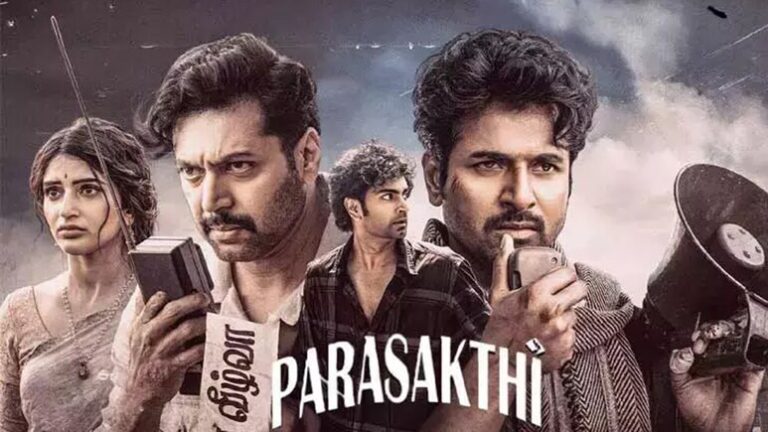
Parasakthi Review: A Fierce Subject Rendered Strangely Cold
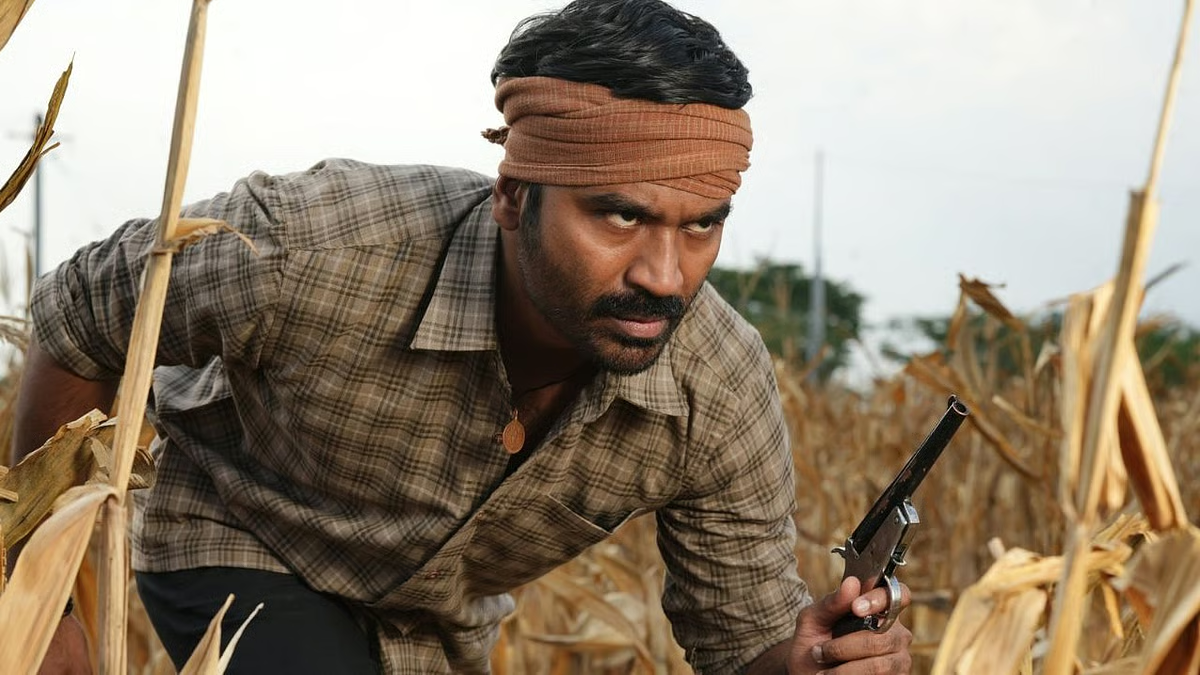
Kara Review: Dhanush and Vignesh Raja Mount a Gritty Period Heist That Promises More Than It Delivers
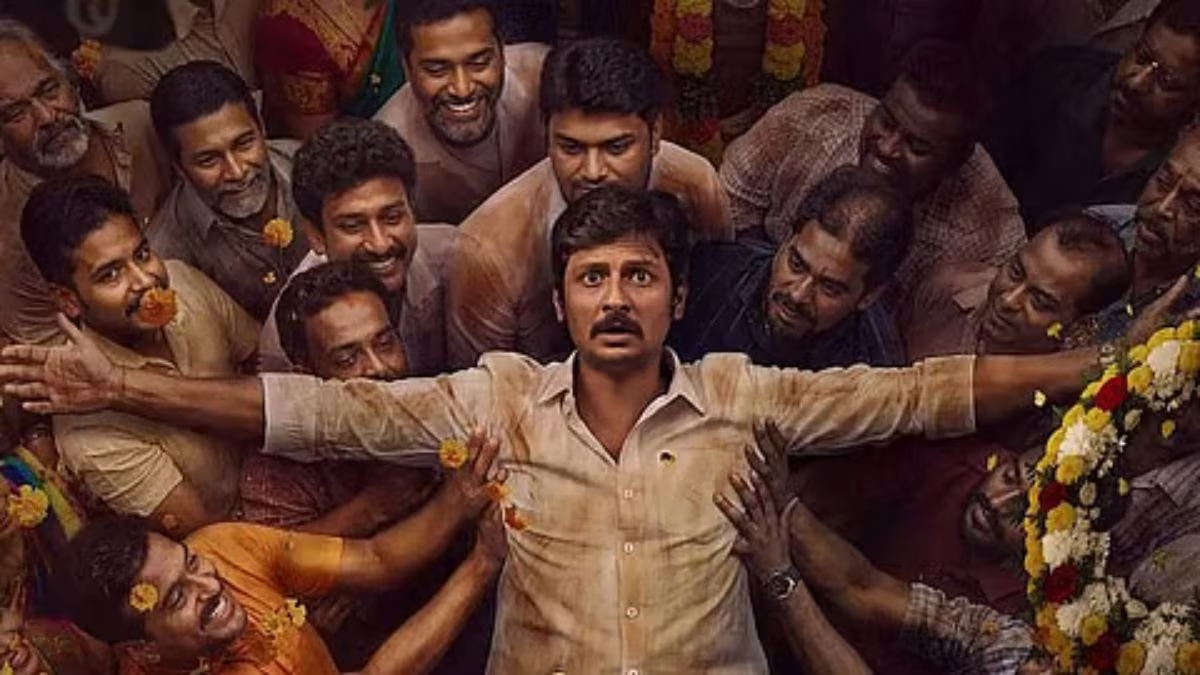
Thalaivar Thambi Thalaimaiyil Review: Jiiva Anchors a Warm, Wickedly Observed Village Satire

Love Insurance Kompany Review: An Average, Overstuffed Romantic Sci-Fi That Has Ideas but Not Enough Spark

Thaai Kizhavi Review: A Rich, Rooted Rural Drama With Wit, Soul, and a Fiercely Unconventional Protagonist

Karuppu Review: Suriya and RJ Balaji Conjure a Rousing, Big-Hearted Spectacle