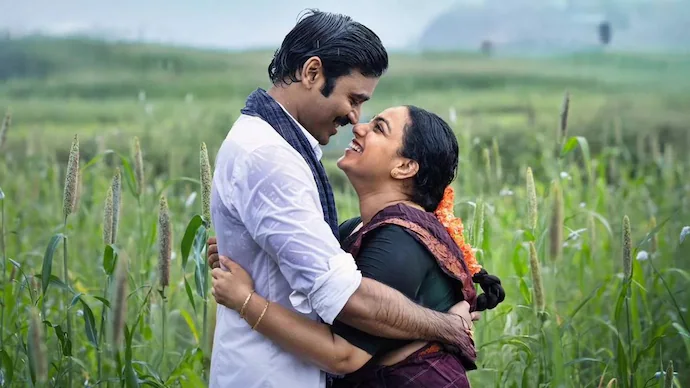
Thalaivar Thambi Thalaimaiyil Review: Jiiva Anchors a Warm, Wickedly Observed Village Satire
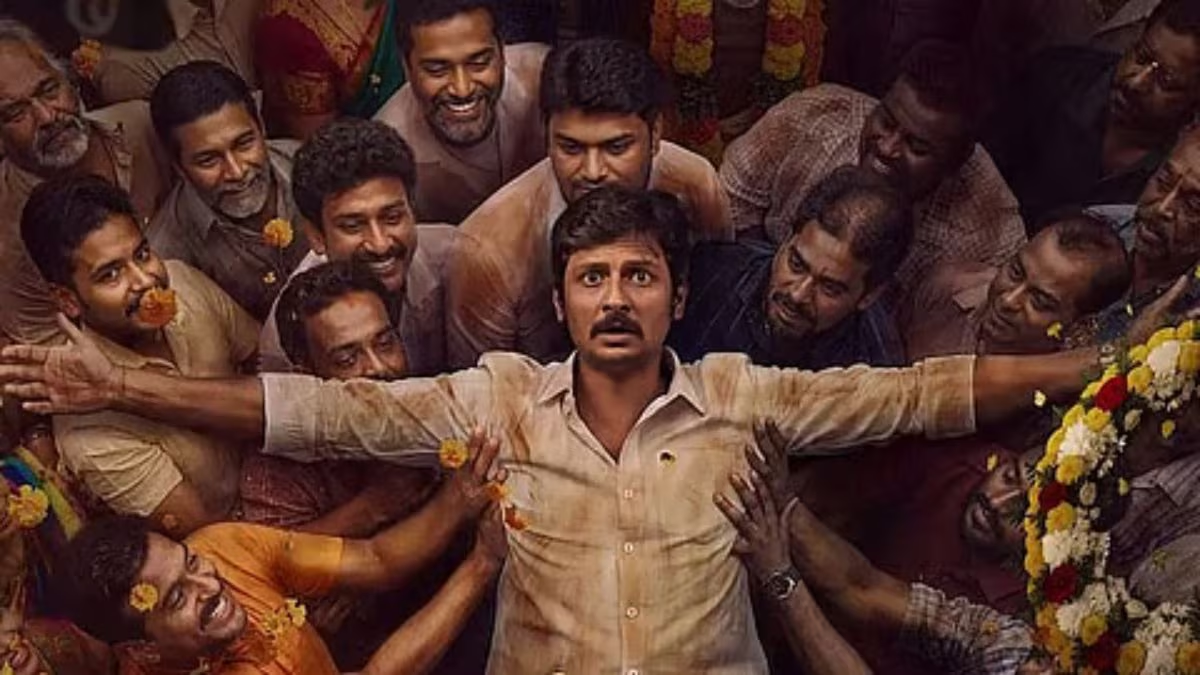
Every so often a film arrives without the thunder of a grand release, makes no promises of spectacle, and then proceeds to win you over through sheer craft and good humour. Thalaivar Thambi Thalaimaiyil is precisely that kind of film: a compact, beautifully observed political satire that finds its comedy not in grand set pieces but in the small, recognisable absurdities of village life. It is unassuming, and it is a delight.
The film marks a notable debut. It is the Tamil debut of director Nithish Sahadev, who first found acclaim with the Malayalam film Falimy, and he co-wrote it with Sanjo Joseph and Anuraj O. B. That Malayalam lineage is felt in every frame, in the best possible way. There is a groundedness here, an affection for ordinary people and their pettiness, that Tamil audiences accustomed to larger-than-life heroics may find refreshingly different. Indeed, one senses Sahadev quietly bridging two sensibilities, importing the lived-in naturalism of contemporary Malayalam cinema while shaping it to suit Tamil rhythms and Tamil humour.
The premise is deceptively slight. Jeevarathinam, a village panchayat member, is called upon to preside over a wedding, only for a routine duty to draw him slowly into an old family conflict simmering with hidden tensions and power struggles. Matters are complicated further when a wedding and a funeral fall on the same day, leaving our reluctant official to contend with feuding families, missing brides and a cascade of logistical mishaps. From this single chaotic day, the writers extract a surprising wealth of comedy and, gradually, a genuine meditation on what it means to lead.
What elevates the film above mere farce is the precision of its writing. The screenplay understands that the funniest moments often arise from restraint rather than exaggeration. The laughs come through texture rather than big set-ups, a reaction held just a beat longer than expected, the comedy living in the margins. This is a film confident enough to trust its audience, to let a glance or a pause do the work that a lesser comedy would hand to a punchline. The ensemble is large, yet the writing deploys each character with care, allowing them to surface at exactly the right moment and never cluttering the frame.
At the centre stands Jiiva, in a performance of real charm and control. Cast as the panchayat leader, he resists the temptation to play for easy laughs, instead grounding the chaos around him in a weary, decent humanity. His Jeevarathinam is a man perpetually one step behind the mayhem he is meant to be managing, and Jiiva finds both the comedy and the quiet dignity in that predicament. It is a refreshing turn from an actor reminding us of his easy, unforced screen presence, and the film is wise to build itself around his steadiness rather than asking him to dominate it.
He is supported by a uniformly excellent cast. Thambi Ramaiah and Ilavarasu bring seasoned comic timing and emotional ballast, while Prathana Nathan makes a confident impression in her first collaboration with Jiiva. The supporting players, drawn as vivid village archetypes, never tip into caricature; each feels like a person you might genuinely encounter at such a gathering, with their own grudges, vanities and small heroisms.
Technically, the film is modest but assured. Vishnu Vijay’s score and songs add a lively, entertaining lift, while Bablu Aju’s cinematography captures the village setting with an unfussy warmth and Arjune Babu’s editing keeps the single-day structure taut. At a brisk runtime of around 115 minutes, the film never outstays its welcome, a discipline that is itself increasingly rare and entirely welcome. There is real craft in this economy, in knowing exactly what the story needs and refusing to pad it.
Beneath the laughter lies a gentle but pointed commentary. At its heart, the film offers an honest reflection on ego and unity, finding humour and warmth in equal measure. The feuding households become a small mirror for the petty rivalries, jealousies and wounded pride that fracture communities everywhere, and the satire lands precisely because it is rooted in affection rather than contempt. Sahadev is not mocking these people; he is observing them with a clear and forgiving eye, and the result is comedy with a conscience.
The film has, deservedly, been warmly received. Critics across publications awarded it three stars, praising it as zany, farcical and largely entertaining, and noting that Sahadev makes a strong start to his Tamil career, dusting off the occasional stumble with grace. One leading review went further, describing it as exactly the kind of grounded dramedy that Tamil fans of Malayalam cinema have long been waiting for. That assessment feels just right.
If there are reservations, they are minor. The plot is admittedly thin, a single situation stretched across a feature, and viewers seeking narrative heft or a strong emotional climax may find it slight. It is, as one reviewer gently noted, a film you may not recall in vivid detail a few days later. The humour, too, is more a steady simmer than a rolling boil; those expecting wall-to-wall hilarity should recalibrate their expectations towards something subtler. But to hold these against the film is rather to miss its purpose. It sets out to be a graceful, good-hearted festival entertainer, and it achieves that with room to spare.
Thalaivar Thambi Thalaimaiyil is a small film with a generous spirit. It is funny without cruelty, satirical without bitterness, and humane without sentimentality. Anchored by a wonderfully judged turn from Jiiva and guided by a director with a clear and confident voice, it stands as one of the more quietly satisfying Tamil releases of the year. Seek it out, settle in, and let its unhurried charm do its work.
Nooru Saami Review: A Tender, Quietly Defiant Drama Carried by a Luminous Swasika
Parimala and Co Review: A Golden Cast Trapped Inside a Half-Cooked Caper
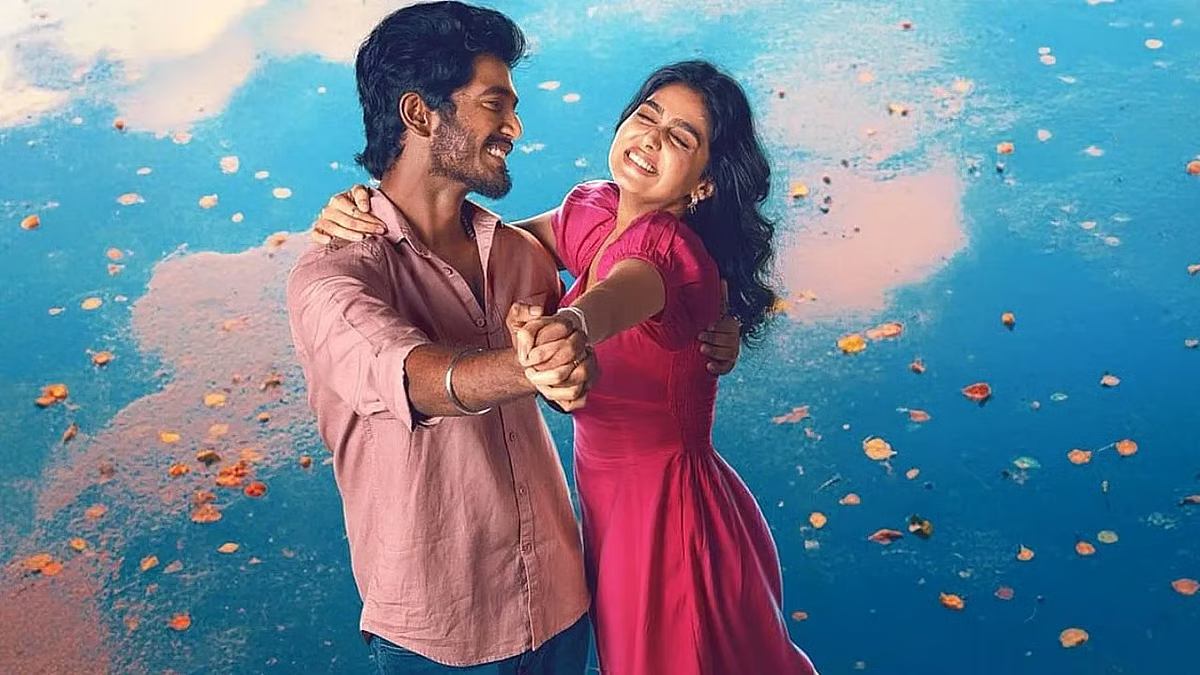
With Love Review: A Soft, Sincere Tamil Romance With Warmth and Memory
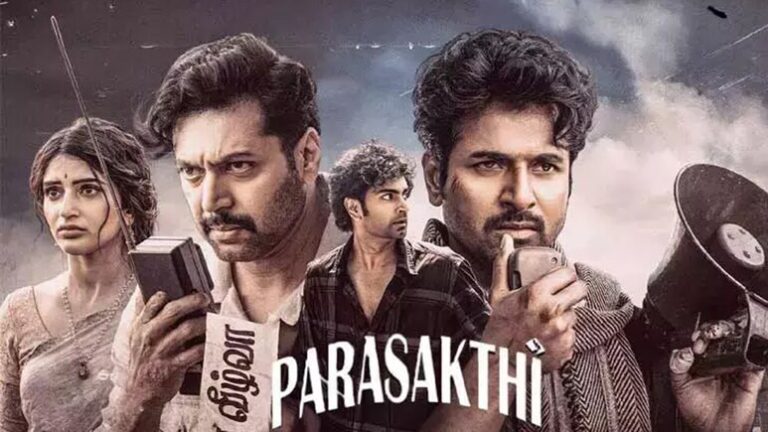
Parasakthi Review: A Fierce Subject Rendered Strangely Cold
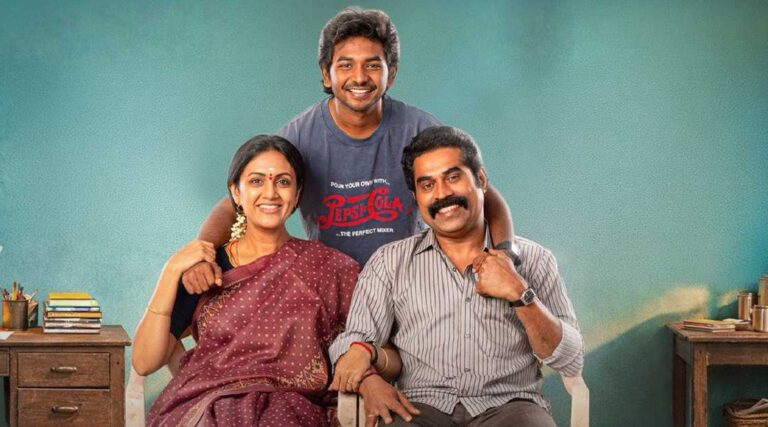
Youth Review: A One-Man Debut That Proves Heart Can Outsell Star Power
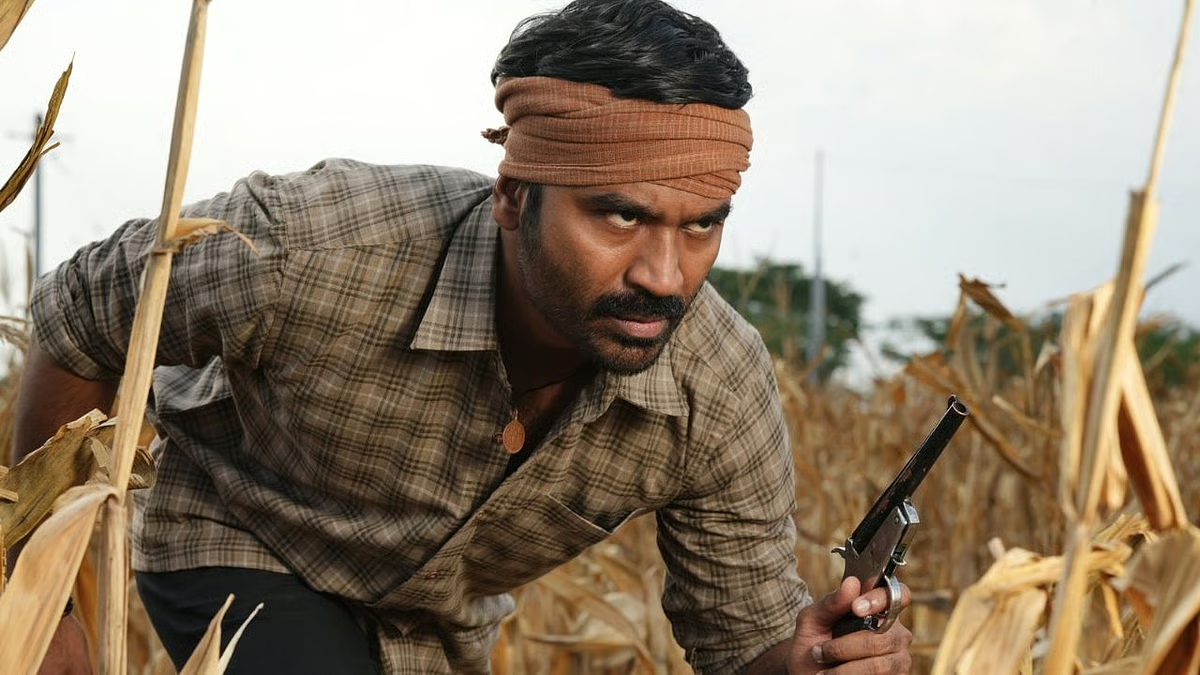
Kara Review: Dhanush and Vignesh Raja Mount a Gritty Period Heist That Promises More Than It Delivers
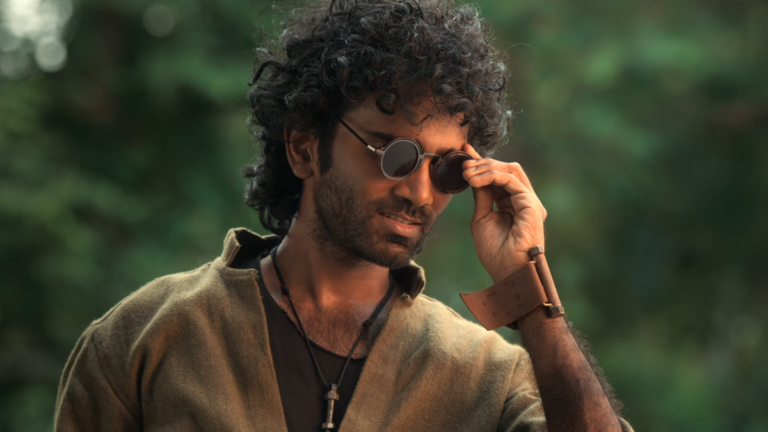
Love Insurance Kompany Review: An Average, Overstuffed Romantic Sci-Fi That Has Ideas but Not Enough Spark
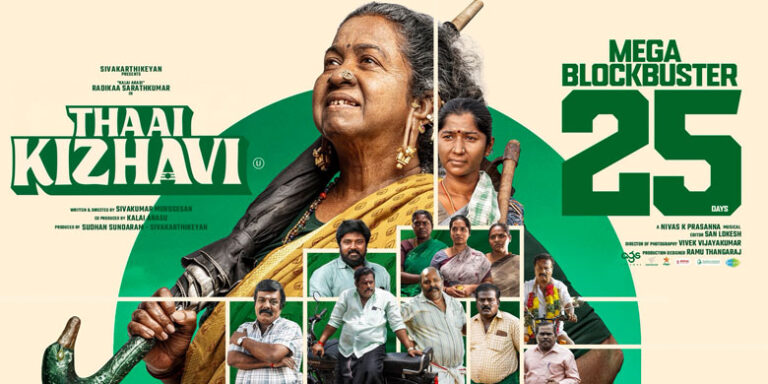
Thaai Kizhavi Review: A Rich, Rooted Rural Drama With Wit, Soul, and a Fiercely Unconventional Protagonist
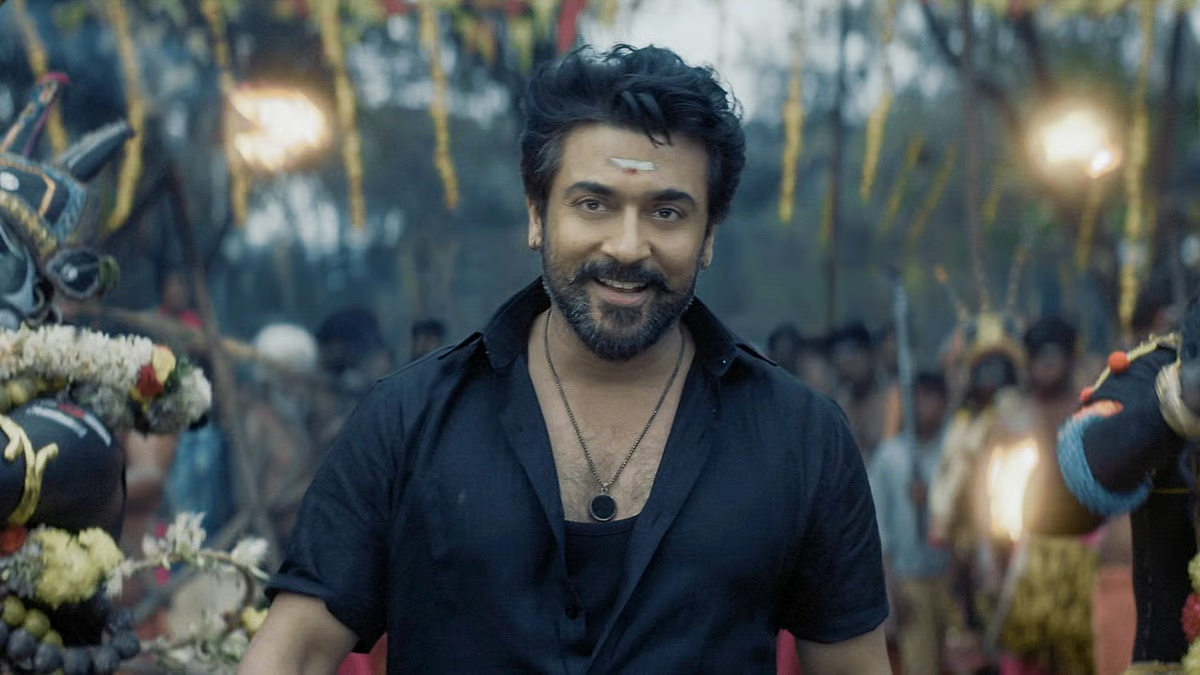
Karuppu Review: Suriya and RJ Balaji Conjure a Rousing, Big-Hearted Spectacle