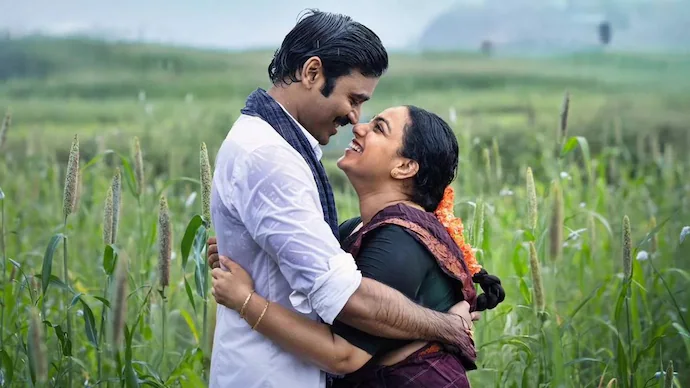
Thaai Kizhavi Review: A Rich, Rooted Rural Drama With Wit, Soul, and a Fiercely Unconventional Protagonist
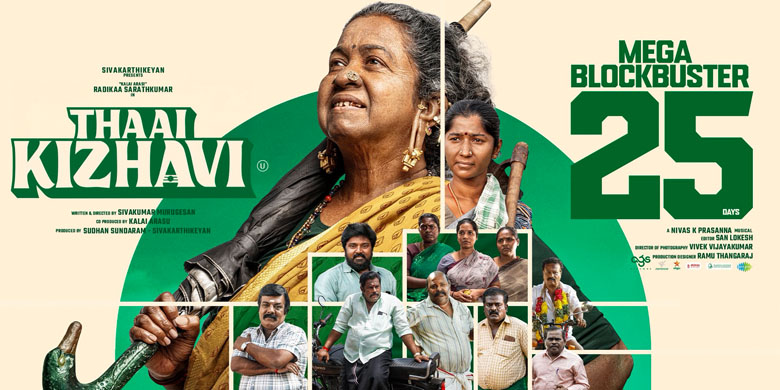
Thaai Kizhavi is the kind of film that quietly surprises you with how much it has to say, and how warmly it says it. What initially appears to be a rural drama built around a tough old matriarch gradually reveals itself as something far more layered: a sharp, funny, emotionally observant, and surprisingly affectionate look at power, family, greed, pride, and survival. The film stands out not just because of its entertaining surface, but because of the depth underneath it. It is a story that feels rooted in lived experience, and that rootedness gives it a special strength.
One of the film’s greatest achievements is its storyline. It is deceptively simple on the surface, but the script keeps unfolding in ways that make the characters and their motives feel richer as the film progresses. At the center is Pavunuthaayi, a woman who commands fear, respect, resentment, and curiosity in equal measure. She is old, bedridden, and yet somehow still the most powerful presence in the village. That alone makes the story compelling. But the film goes further by using her situation to explore how family members behave when money, inheritance, and control enter the picture. This gives the film dramatic richness without losing its entertainment value.
The story is also effective because it has a wonderful sense of moral irony. People who once ignored or resented the protagonist suddenly become intensely interested in her fate the moment wealth enters the equation. That shift is both funny and deeply revealing. It exposes the selfishness that often hides beneath family courtesy, and it does so with wit rather than preachiness. The film has a smart way of making the audience laugh while also making them think about how power operates inside a household and a community.
The biggest reason the film works so well is its unconventional protagonist. Pavunuthaayi is not the type of lead character cinema usually celebrates. She is elderly, sharp-tongued, intimidating, vulnerable, and unpredictable. She is not presented as soft, idealized, or easy to admire. Instead, she is complex, difficult, and completely alive. That makes her fascinating. The film trusts her contradictions, and because of that, she becomes unforgettable. Her presence gives the story an unusual emotional spine. She is both feared and pitied, both formidable and human, and that layered characterization is one of the film’s finest qualities.
Radikaa Sarathkumar’s performance is central to that success. She gives the character authority, wit, and emotional texture. Even in moments when the script is leaning into humor or exaggeration, she keeps the character believable. That is not easy to do, especially in a role that could so easily become a caricature. Instead, she makes Pavunuthaayi feel like someone who has lived a long, difficult, fascinating life and has no intention of becoming convenient for anyone else’s comfort. That kind of performance lifts the entire film.
What also makes Thaai Kizhavi especially enjoyable is its rustic setting. The village atmosphere is one of the film’s most appealing features. It is not polished or ornamental. It feels inhabited, noisy, socially layered, and full of small tensions that give the film flavor. The setting is not just a backdrop; it shapes the behavior of the characters and the tone of the entire movie. The rural space allows the story to feel intimate, local, and deeply specific. It also gives the film room to blend humor and emotion naturally, without forcing either one.
The rustic world of the film is full of personality. The houses, the social rituals, the village gossip, the family dynamics, and the rhythms of daily life all contribute to the film’s charm. There is something deeply satisfying about how confidently the film uses this environment. It does not treat rural life as an aesthetic trend. It treats it as a living social ecosystem, full of affection, hypocrisy, rivalry, and memory. That makes the film feel grounded in a way that more generic dramas often fail to achieve.
Another major reason the film has received so much appreciation from people is that it feels genuine. Audiences respond strongly to stories that feel emotionally honest, and Thaai Kizhavi has that quality in abundance. Its humor feels organic, its dramatic turns feel earned, and its emotional beats are tied to recognizable human behavior. It does not chase superficial sophistication. It simply tells a vivid story with confidence, and that confidence is rewarding. The film’s popularity is not surprising because it speaks directly to people who understand family conflict, village hierarchy, and the strange mixture of affection and selfishness that often exists inside homes.
The film also benefits from its ability to mix laughter and emotional insight without losing balance. It is witty, but not empty. It is entertaining, but not shallow. It uses humor to reveal character rather than distract from it. That is one of the reasons the film lands so well with viewers. They can laugh at the absurdity of the situation while also recognizing the truth inside it. The writing is clever enough to keep the audience engaged and sincere enough to keep the emotions real.
What makes Thaai Kizhavi especially memorable is that it refuses to be boxed into one category. It is a rural drama, but it is also a social satire. It is funny, but it is also observant. It is centered on an old woman, but it is really about power, inheritance, family decency, and human greed. That combination gives the film unusual depth. It is the kind of movie that grows richer as you think about it, because its surface entertainment is supported by a smart emotional core.
In the end, Thaai Kizhavi is a delightful, layered, and deeply enjoyable film that stands out for its strong story, its unconventional protagonist, and its richly atmospheric rustic setting. It deserves the appreciation it has received because it offers something both entertaining and thoughtful. It proves that a film does not need grand spectacle to leave a lasting mark. Sometimes all it needs is a fearless character, a sharp script, and a world that feels wonderfully alive.
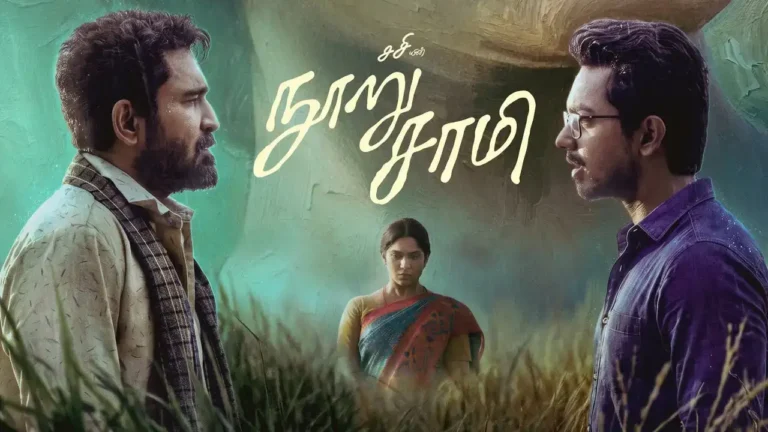
Nooru Saami Review: A Tender, Quietly Defiant Drama Carried by a Luminous Swasika
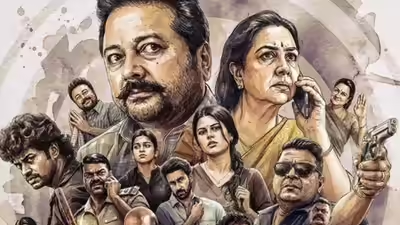
Parimala and Co Review: A Golden Cast Trapped Inside a Half-Cooked Caper
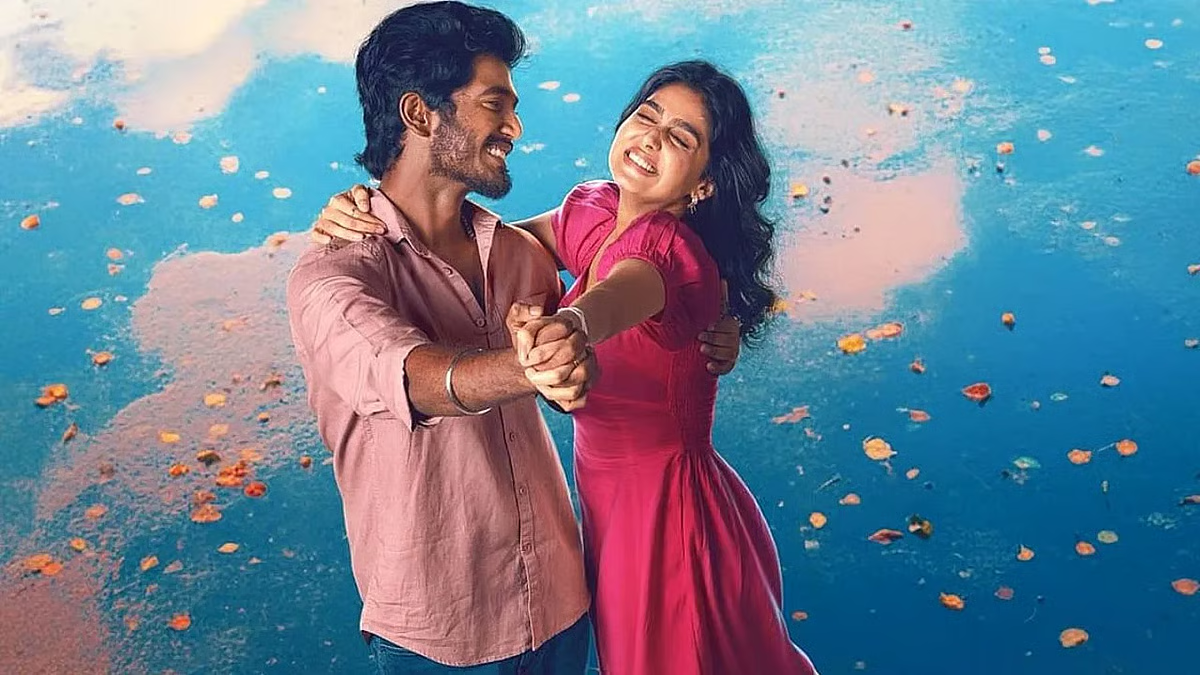
With Love Review: A Soft, Sincere Tamil Romance With Warmth and Memory
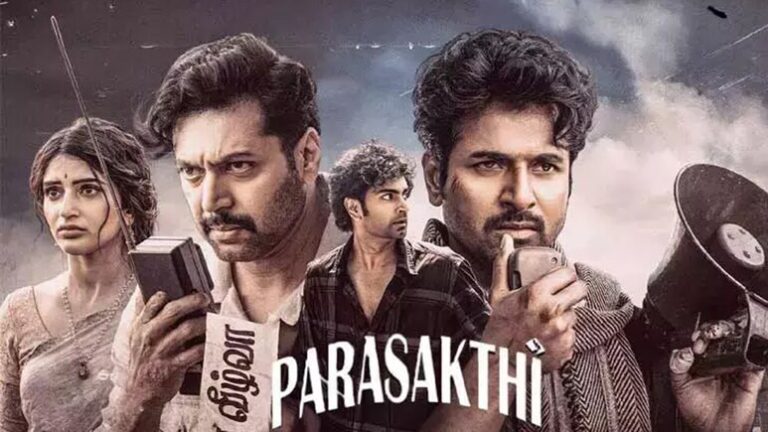
Parasakthi Review: A Fierce Subject Rendered Strangely Cold
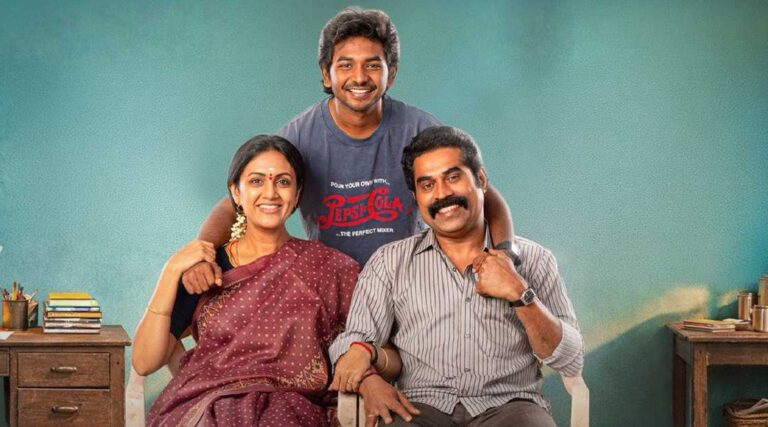
Youth Review: A One-Man Debut That Proves Heart Can Outsell Star Power
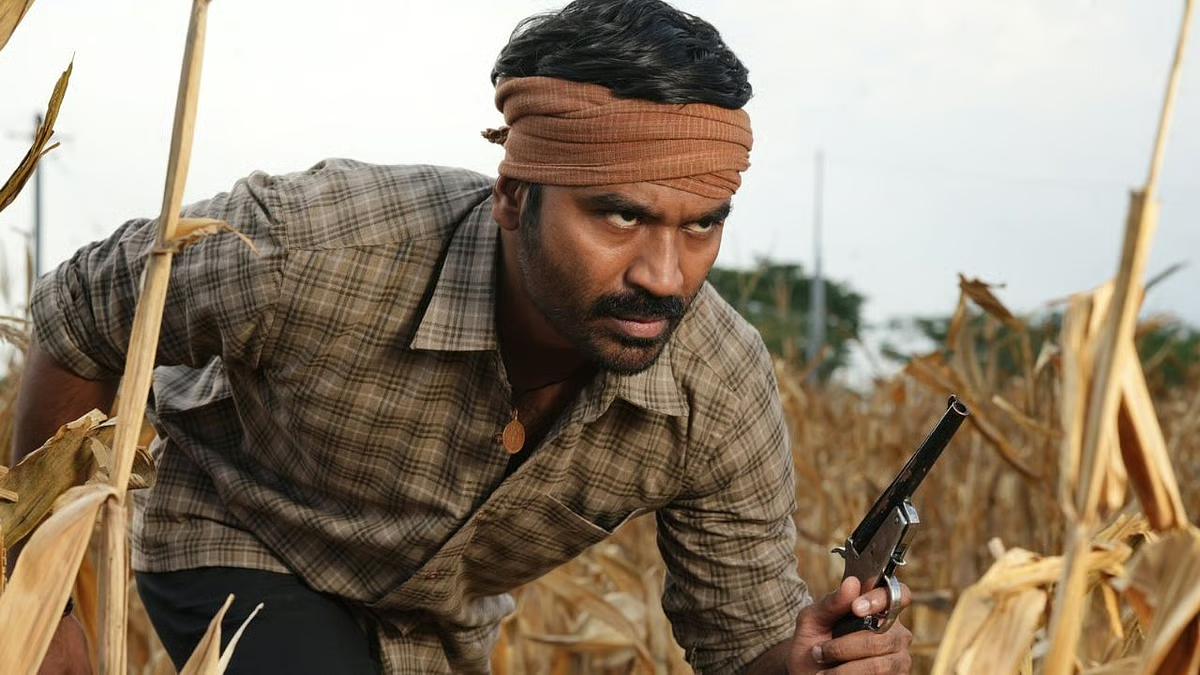
Kara Review: Dhanush and Vignesh Raja Mount a Gritty Period Heist That Promises More Than It Delivers
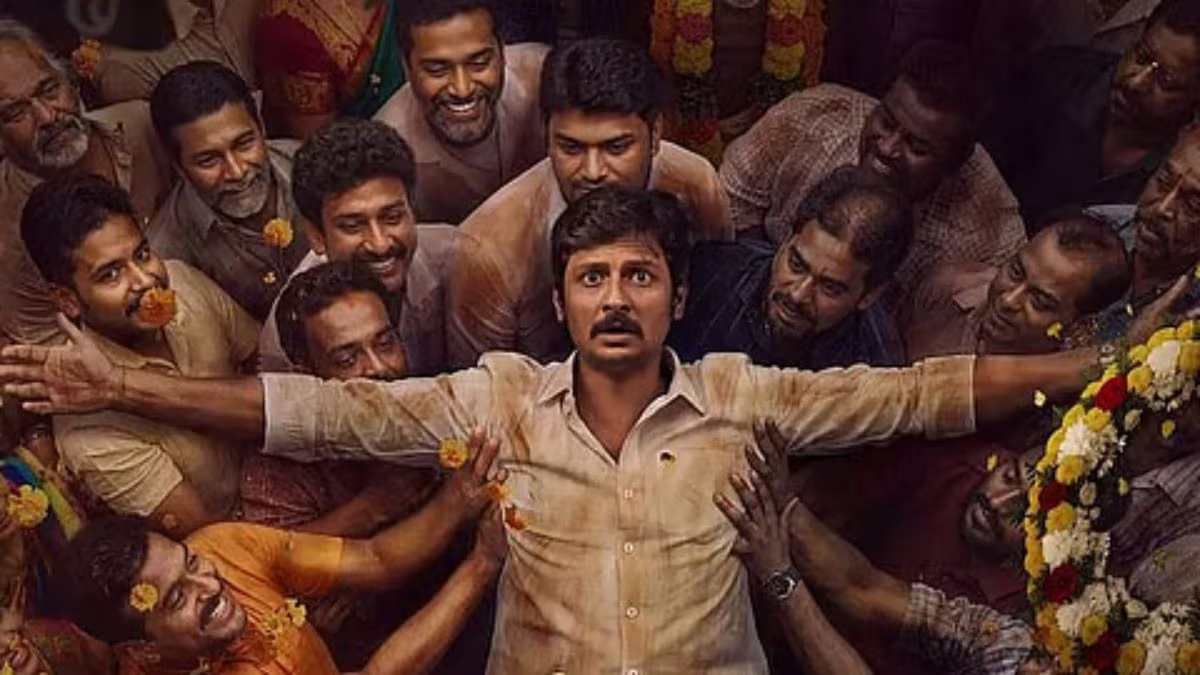
Thalaivar Thambi Thalaimaiyil Review: Jiiva Anchors a Warm, Wickedly Observed Village Satire
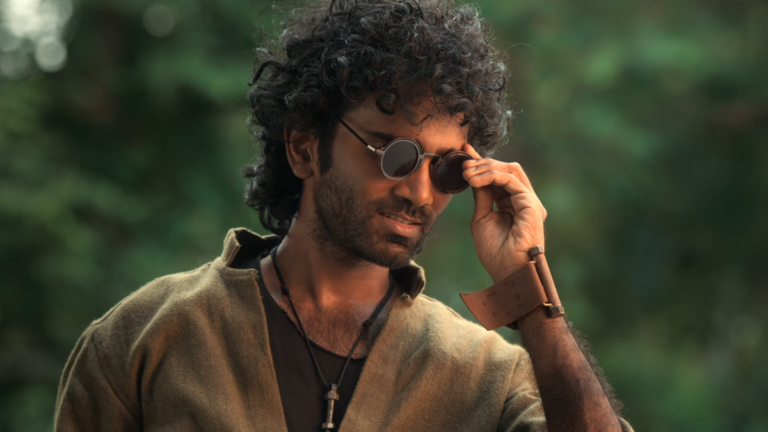
Love Insurance Kompany Review: An Average, Overstuffed Romantic Sci-Fi That Has Ideas but Not Enough Spark
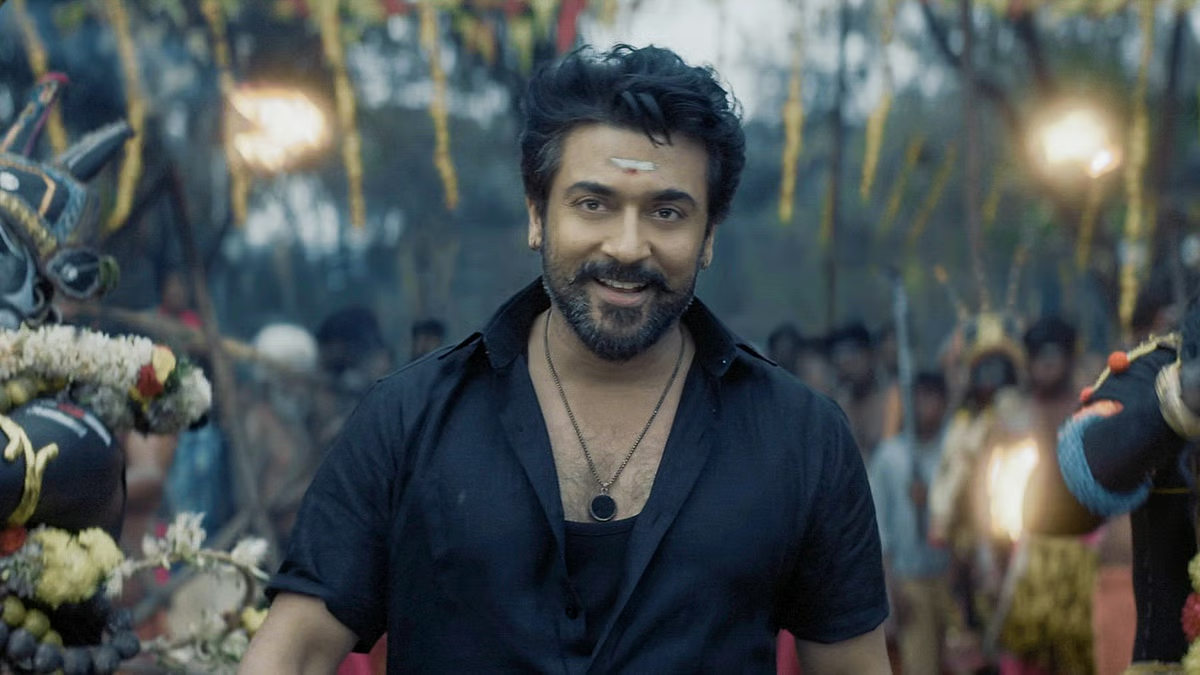
Karuppu Review: Suriya and RJ Balaji Conjure a Rousing, Big-Hearted Spectacle